About Sequential Timer
A
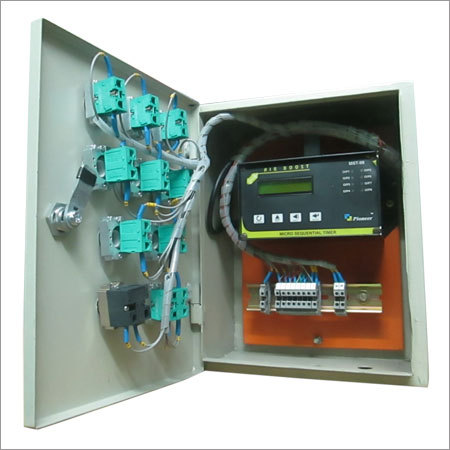
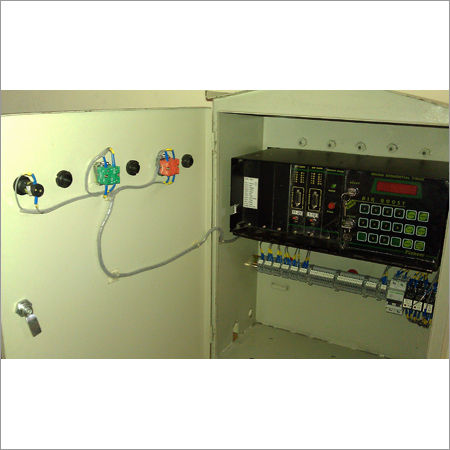
sequential timer is a type of timer that performs a sequence of operations based on a predetermined sequence. It is used to control the timing of various processes, such as starting and stopping motors, controlling the speed of conveyor belts, and operating other machinery. This type of timer is often used in industrial settings to automate repetitive tasks. Some models of sequential timers are programmable, allowing users to customize the sequence of operations.
Flexible Installation OptionsThis Sequential Timer supports both DIN rail and surface mounting to suit different industrial panel layouts. With its panel mount design and compact size, it integrates quickly into existing control cabinets or enclosures for seamless upgrades or new projects.
Reliable Control and ProtectionEach channel delivers reliable switching via relay outputs, capable of handling up to 5A at 230V AC. The product is engineered with integral overload and short-circuit protection, ensuring safe operation and enhancing the lifespan of your automation equipment.
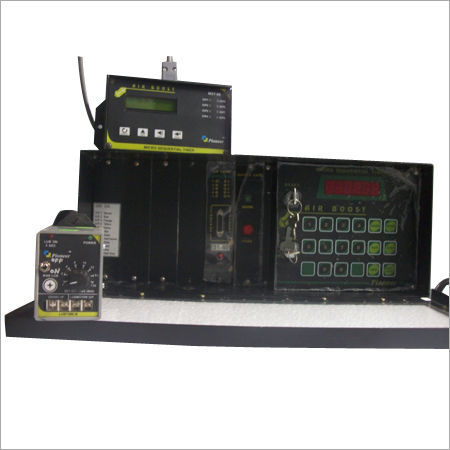
Intuitive Operation and ProgrammingProgramming the timer is user-friendly with front panel keys, allowing for swift configuration of timing cycles. A clear 7-segment display shows real-time status, while LED indicators provide instant feedback on each channels activity for efficient monitoring.
FAQs of Sequential Timer:
Q: How can the Sequential Timer be installed in my automation setup?
A: The timer is designed for both DIN rail and surface mounting, offering flexibility for integration into various control panels. Its compact dimensions (90 mm x 60 mm x 110 mm) make it suitable for constrained spaces.
Q: What industrial processes benefit from using this 4-channel Sequential Timer?
A: The device is ideal for sequential switching and process control tasks in industrial automation, such as conveyor systems, packaging machinery, and multi-stage processing applications.
Q: When should I use manual versus auto reset modes?
A: Manual reset is practical during system setup or troubleshooting, while auto reset streamlines continuous operations by automatically restarting the timer cycle after each sequence.
Q: Where are the programming controls and displays located?
A: All programming controls are accessible on the front panel, including user-friendly keys and a prominent 7-segment display for configuration and status checks.
Q: What are the main advantages of the overload and short-circuit protection?
A: These protections prevent accidental damage to both the timer and connected equipment, minimizing downtime and reducing maintenance costs in demanding industrial environments.
Q: How does the timer ensure accurate operation in varying industrial conditions?
A: The timer operates reliably within temperatures ranging from 0C to 50C and features ABS plastic housing that offers durability and insulation from environmental factors.








 Send Inquiry

 Send Inquiry